
In October 2021, when the Pandora Papers investigation raised questions about Peter Obi’s offshore business interests, the former Anambra State governor appeared on Arise Television to defend himself.
His response was emphatic.
“Number one is I am not guilty,” Obi declared, arguing that trust companies were legitimate vehicles used globally for investments, savings and estate planning.
The investigation by PREMIUM TIMES, as part of the International Consortium of Investigative Journalists (ICIJ) global project, had reported that Obi remained a director of NEXT International (UK) Limited for 14 months after becoming governor in 2006. It also raised questions about undeclared offshore interests and a foreign bank account.
During the Arise interview, he was challenged over reports that he owned $500 million offshore.
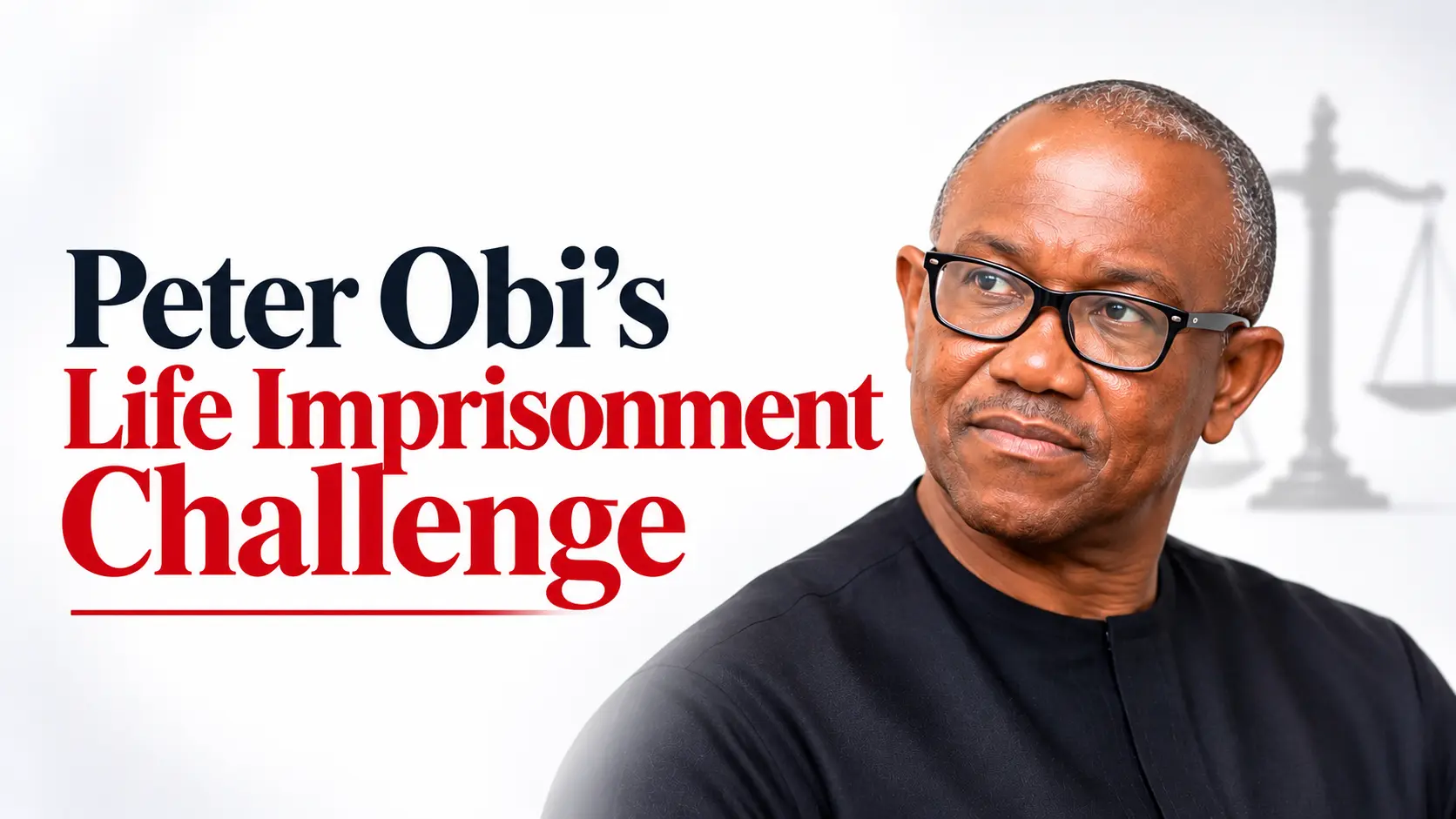
Obi rejected the figure and offered a remarkable challenge.
“If you go anywhere near these companies being mentioned and find more than about 3 percent of the value you mentioned now, that’s about $15 million, then confiscate everything. Confiscate everything I have in my life,” he said.
He also insisted that the company was never used to launder money before, during or after his tenure as governor.
But the questions did not disappear.
In a more recent interview with BBC journalist Madina Maishanu, the Pandora Papers controversy resurfaced.
Maishanu pressed him on whether he could publish the relevant asset documentation.
Obi maintained that the offshore arrangements were for estate planning and savings for his children. Referring to the $500 million allegation, he reiterated his challenge, saying that if investigators found 2.5 per cent of the alleged amount, approximately $12 million, he would accept a life sentence.
“You are a journalist. If you want, I send you, you go and investigate,” he told Maishanu.
Now, five years after the original revelations, the Code of Conduct Bureau (CCB) has reportedly commenced investigations into Obi and six other individuals over alleged undeclared offshore assets and business interests.
The development was reported by PREMIUM TIMES on October 26, 2026, following confirmation from sources within the bureau.
The distinction is important: owning offshore companies is not automatically a crime. The questions concern asset declarations, foreign accounts and restrictions applicable to public officers.
Obi has consistently denied wrongdoing. However, the CCB investigation presents an opportunity for the outstanding questions to be examined through due process.
For a politician who frequently demands accountability from public officeholders, Nigerians deserve clarity on the allegations against him too.
His challenge has been made. The question now is whether the investigation will provide definitive answers.