
• Login
Sunday, January 18, 2026
Magazine Afrique
  • News
  • Business
  • Sports
  • Technology
  • Entertainment
  • How To’s
  • Countries
    • Ghana
    • Nigeria
    • Egypt
    • Kenya
    • Rwanda
    • South Africa
    • UK
    • US
  • More
    • Biography
    • Culture & History
    • Lifestyle
No Result
View All Result
Magazine Afrique
  • News
  • Business
  • Sports
  • Technology
  • Entertainment
  • How To’s
  • Countries
    • Ghana
    • Nigeria
    • Egypt
    • Kenya
    • Rwanda
    • South Africa
    • UK
    • US
  • More
    • Biography
    • Culture & History
    • Lifestyle
No Result
View All Result
Magazine Afrique

African Traditional Spirituality: Witchcraft Was Not Always Evil

Exploring the Cultural, Spiritual, and Social Roles of Witchcraft Before Colonial Misunderstandings

Abdulraheem Fatimah by Abdulraheem Fatimah
April 20, 2025
in Culture & History
Reading Time: 3 mins read
0 0
A A
0
African Traditional Spirituality

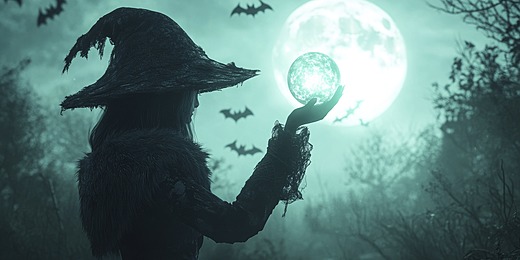
A witch in black furry dress and hat, holds up a glowing orb, moon and bat on misty sky background

10
SHARES
261
VIEWS
Share on FacebookShare on Twitter


When most people hear the word witchcraft, they think of curses, fear, and evil. But that view largely comes from European interpretations that were introduced during colonialism and missionary campaigns.

In many African societies, African traditional spirituality included forms of what outsiders later labelled as “witchcraft” — but these practices were not always negative.


In fact, they were deeply rooted in community values, healing, protection, and justice. Understanding the original African meaning behind these practices reveals a more balanced — and far less sinister — picture.

Healers, Not Harmers


Before colonial times, many African communities had spiritual practitioners who acted as healers, advisors, and protectors.

These individuals were known by various names: babalawo among the Yoruba, sangoma among the Zulu, and nganga in Central Africa.

While outsiders often lumped them together under the term “witch doctor,” their role was more complex.


They used herbs, prayers, and rituals to treat illnesses, foresee future events, and resolve disputes.

These spiritual leaders were respected, not feared. Their knowledge was passed down through generations, and they were considered essential to the wellbeing of their people.


This positive role is a major part of African traditional spirituality, which values balance between the spiritual and physical worlds.

Good vs. Bad Magic


African belief systems often made a clear distinction between good and bad spiritual practices.

The good kind — sometimes called white magic — was used for healing, protection, fertility, and rain-making. The harmful kind — which might bring sickness or death — was discouraged and often punished.


For example, among the Shona people of Zimbabwe, a n’anga (traditional healer) could be consulted to identify someone practicing harmful magic.

But the healer themselves was not feared — they were considered a force for good.


The colonial era ignored this difference, branding all African spiritual practices as “evil” or “savage.”

This blurred the line between respected healers and those suspected of causing harm.

RelatedPosts

Nigeria: Fuji star KWAM 1 enters race to become next awujale of ijebuland

Nigeria: Tinubu Applauds Ladoja As the 44th Olubadan, Recalls Ibadan Role in ‘Emi l’okan Victory

Ancient African Education: Africa Had Universities Before Europe

Colonial Demonisation


European colonisers and missionaries brought with them a strict Christian worldview.

To them, any form of spirit worship or ritual outside the Bible was labelled demonic.

This view was pushed aggressively in sermons, schools, and laws.

What had once been respected as spiritual science became labelled as devil-worship.


In some areas, traditional practitioners were arrested or executed.

Colonial laws in places like Kenya and Nigeria banned the use of “witchcraft,” often without understanding what it really meant in African context.


This misunderstanding damaged the public image of African traditional spirituality, leaving behind fear and confusion.

Witchcraft and Justice: African Traditional Spirituality


In precolonial Africa, spiritual practices also played a role in justice.

Trials involving spiritual tests were used to resolve land disputes, theft, or even murder.

This was not blind superstition — it was part of a larger moral and ethical code.


The community believed that the spiritual world could reveal truth when human eyes failed.

People respected this system because it emphasised social balance, not just punishment.


A Shift in Perspective


Today, many African communities are returning to their spiritual roots, separating the harmful stereotypes from their cultural heritage.

In South Africa, for example, sangomas are now recognised under national health regulations and even work alongside modern doctors.


Younger Africans are also re-exploring ancestral practices, seeing them as part of identity, not shame.

Whether it’s herbal healing, ancestor reverence, or dream interpretation, these traditions are once again finding space in modern life.

Conclusion: African Traditional Spirituality


African traditional spirituality shows that witchcraft was never simply about evil.

It included healing, wisdom, protection, and justice.

The colonial misunderstanding of these practices led to fear and rejection, but history proves that Africa’s spiritual systems were far more balanced and meaningful.

Reclaiming this knowledge means reclaiming pride in culture.

Share4Tweet3
Previous Post

Tunisia’s National Security Charges Lead to Mass Sentencing

Next Post

Victor Osimhen to Chelsea? Guirassy Battle Heats Up

Abdulraheem Fatimah

Abdulraheem Fatimah

Fatimah Abdulraheem is an emerging digital journalist passionate about crafting compelling narratives for today's media landscape. She combines fresh perspectives with journalistic standards to create engaging content that resonates with diverse audiences.

Related Posts

Nigeria: Fuji star KWAM 1 enters race to become next awujale of ijebuland
Culture & History

Nigeria: Fuji star KWAM 1 enters race to become next awujale of ijebuland

by Olamide Olasupo
1 month ago
12
Nigeria: Tinubu Applauds Ladoja As the 44th Olubadan, Recalls  Ibadan Role in ‘Emi l’okan Victory
Culture & History

Nigeria: Tinubu Applauds Ladoja As the 44th Olubadan, Recalls Ibadan Role in ‘Emi l’okan Victory

by Olamide Olasupo
4 months ago
11
Next Post
Victor Osimhen

Victor Osimhen to Chelsea? Guirassy Battle Heats Up

Africa-China Relations

Africa-China Relations Poised to Deepen Amid US Trade Threats

Please login to join discussion

Trending

  • Nigeria: 2baba absent as Sunmbo Adeoye and husband, David attend second son, Zion Idibia’s Matriculation ceremony (Photos)

    Nigeria: 2baba absent as Sunmbo Adeoye and husband, David attend second son, Zion Idibia’s Matriculation ceremony (Photos)

    1 shares
    Share 0 Tweet 0
  • Nigeria Today: Recap Of Top 10 Key Stories You Might Have Missed This Saturday Evening

    1 shares
    Share 0 Tweet 0
  • Nigeria: Actor Kunle Afod’s Wife Desola replies troll who said her husband impregnated a woman in Mushin (Video)

    1 shares
    Share 0 Tweet 0
  • Nigeria: “He’s trying to get back” – Man speaks out following Destiny Boy’s alleged passing, cries out about Lyta (Video)

    1 shares
    Share 0 Tweet 0
  • 89th Global passport rank termed Serious passport upgrade or propaganda in disguise – what’s the truth ?

    1 shares
    Share 0 Tweet 0

Subscribe to our newsletter !

Facebook Twitter Instagram Youtube
Magazine Afrique

Magazine Afrique keeps your finger on the pulse of recent information on Lifestyle, Culture & History, Sports, Local & International News, Entertainment, Business, and Technology.

  • About
  • Advertise With Us
  • Privacy Policy
  • Cookie Policy
  • Terms and Conditions
  • Login

© 2025 Magazine Afrique Designed by Klear Konsult Limited.

Welcome Back!

Login to your account below

Forgotten Password?

Retrieve your password

Please enter your username or email address to reset your password.

Log In
No Result
View All Result
  • News
  • Business
  • Sports
  • Technology
  • Entertainment
  • How To’s
  • Countries
    • Ghana
    • Nigeria
    • Egypt
    • Kenya
    • Rwanda
    • South Africa
    • UK
    • US
  • More
    • Biography
    • Culture & History
    • Lifestyle

© 2025 Magazine Afrique Designed by Klear Konsult Limited.