

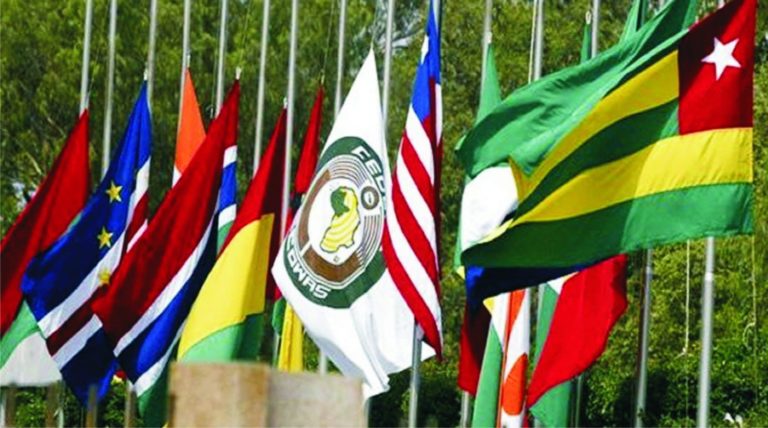
ECOWAS investment strategy advances under Senegal’s leadership, aiming to create unified regulations and attract $50bn in regional capital flows by 2030.
The ECOWAS investment strategy has entered a decisive phase as Senegalese President Bassirou Diomaye Faye secured preliminary approval from 13 member states.
The proposed framework, unveiled at Tuesday’s Abuja summit, seeks to standardize tax incentives, streamline business registrations, and establish joint infrastructure funds.
The ECOWAS investment strategy intends to tackle a 35% drop in foreign direct investment which occurred since 2020.
The unified regulations derived from replacing 15 national policies establish West Africa as a single investment destination that competes with Southeast Asian markets according to the plan.
Key provisions include:
- A 90-day visa processing guarantee for investor
Member states should implement corporate tax rates which lie in the range of 18-25%.
The plan introduces dispute resolution courts that must operate in every capital city across member states of ECOWAS.
The investment plan of ECOWAS shows potential advantages for both Senegal’s energy industry development and Nigeria’s technological hubs.
The economist based in Dakar named Aïssatou Diallo stated investors need predictable conditions.
Our fragmented markets become an integrated economic region because of this development.
Implementation challenges remain substantial. The strategy needs its ratification process to finish by August 2025 even though Ghana and Ivory Coast are working on agricultural subsidy agreements.
The Nigerian local content policy currently faces criticism for appearing like a behavior that shields home industries from foreign competition.
Digital integration stands as a crucial factor to achieve success from the ECOWAS investment strategy.
A Q4 launchpad will become operational as the first regional bloc among African countries to connect their approval systems through a single platform.
By using this unified approach West Africa would gain better positioning to compete against established trade corridors in East Africa since global capital is now shifting toward emerging markets.
The document will be shown to attendees at July’s AU summit in Addis Ababa.