
The Minister spoke on Wednesday in Abuja at the Gender Inclusion Summit organized by the Policy Innovation Centre where she dismissed fears of an imminent strike, noting that the government is actively engaging with ASUU on outstanding issues from the 2009 agreement.
The unresolved issues contained proper funding of universities, revitalisation of the education system, payment of outstanding salary arrears, delayed promotions, and cases of victimisation in some institutions amongst others.
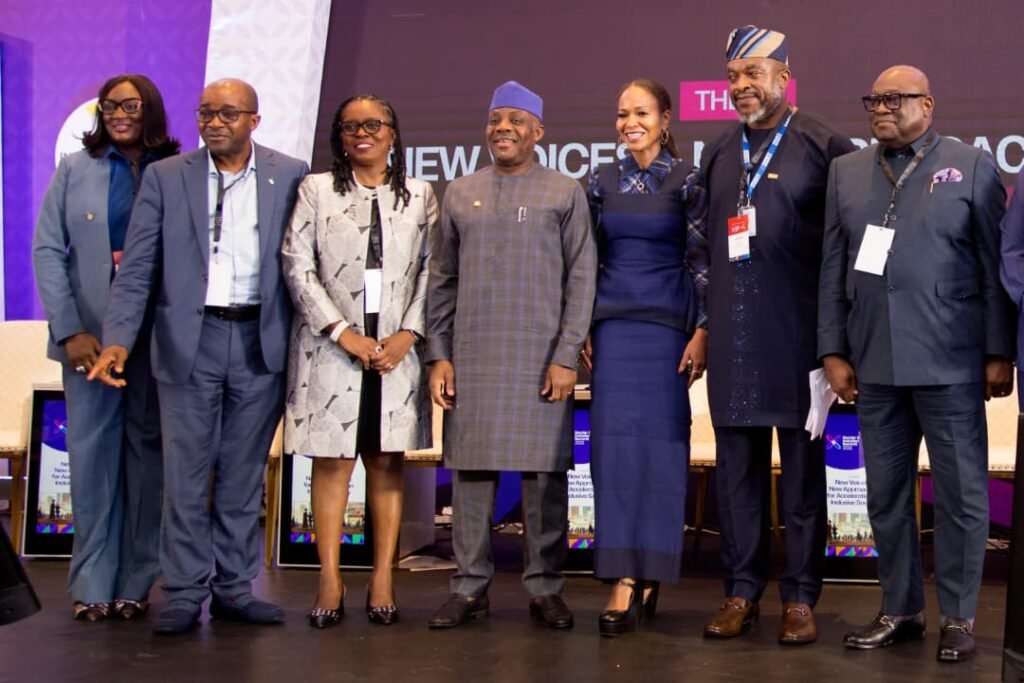
The summit which was themed “New Voices and New Approaches for Accelerating an Inclusive Society”, brought together several key stakeholders, which includes the Chairman of the Policy Innovation Centre, Udeme Ufot, and the Chairman of the Nigerian Economic Summit Group, Niyi Yusuf, both stressed the importance of listening to affected unions, adopting innovative strategies, and leveraging technology to drive inclusive development.
While talking about the rumors of imminent strikes, the Minister said,“We will continue to engage ASUU and other unions with the highest level of respect so there is no need for alarm. Our children will remain in school, and this government will ensure they do not lose valuable academic time.”
Alausa also brought to light the reforms being put in place to improve the quality of education, like the migration of WAEC and NECO examinations to computer-based testing (CBT).

“This initiative is designed to curb examination malpractice, reward hard work, and improve students’ learning outcomes”. He said.
“I am pleased that by November, the WAEC examination will begin with objective questions conducted through CBT, while essay papers will remain on paper. By next year, both sections will be fully computer-based,” he explained.
The minister added that provisions have been made to integrate underserved communities and children with disabilities into the new system, including transportation to designated CBT centres.
The Minister of Women Affairs, Hajia Imaan Sulaiman-Ibrahim Also spoke at the summit, where she scored the progress of women in leadership, revealing that women now lead over 40 percent of Nigeria’s key commercial banks and occupy 22 percent of executive roles — higher than the global average of 20 percent.
She also mentioned that reforms in states like Adamawa, Niger, and Rivers are breaking barriers, with women securing property rights, holding vice-chairmanship positions in local councils, and even producing youthful female political leaders.