

While several members of Kwara State are fleeing their homes due to insecurity, kidnapping, especially, the governor, AbdulRahman AbdulRazaq, bought a N400Million property from Chief Olusola Adekanola, a well-known chartered accountant.
The Area where the property was located is popularly known as a fortress for Kwara’s political class, hosting the houses of several prominent individuals, including the former Senate President, Bukola Saraki, Senator Saliu Mustapha, Senator Smart Adeyemi, businessman Moshood Mustapha, and industrialist Kamarudeen Kamwire.
Sources say that the governor has shifted concentration to major infrastructure upgrades along this axis and is almost leaving other areas, raising concerns from several members of the state that resources are being used to attend to projects that only benefit a few rather than the larger public.
Several sources have also stressed that AbdulRazaq has reconstructed roads around AbdulRazaq Road, effectively transforming the neighbourhood into an exclusive enclave for political elites. “This is where his retirement home is rising,” one senior official said, describing the governor’s focus on the area as “strategically self-serving.”
One of the insiders explained that Araba Oluwafemi Sanni, a civil engineer and close associate of the governor, is in charge of a lot of the governor’s private projects.
Araba owns Flow FM and chairs Stefolga Group, and is reported to supervise both government and private projects linked to AbdulRazaq. Some of these projects include multi-billion-naira contracts such as the new Kwara State Secretariat and the main entrance gate of the Government House.
Insiders say Araba is more than just a contractor, as he operates as the governor’s “front” for private investments, also shielding the governor’s personal dealings from scrutiny.
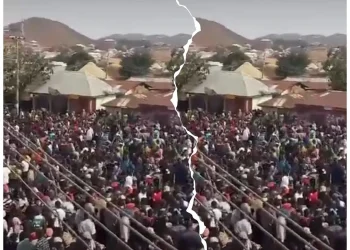
This development came up after escalating insecurity across Kwara State, as several communities in Kwara North and South have been overrun by bandits in recent months, forcing hundreds of residents to leave their homes for safety.
Some of the affected people lamented that if their communities became deserted, there would be no one left for the government to govern. Expressing frustration, they stated that if the rightful owners abandoned their ancestral homes, strangers could easily take over their heritage.
It is also important to note that several attempts to obtain a response from the government were unsuccessful.