

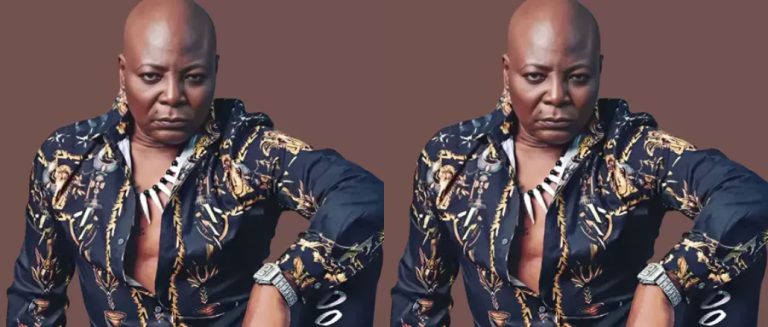
Veteran entertainer and activist, Charles Oputa, widely known as Charly Boy, has revealed that he was once involved in white-collar crime during his early years in the United States before eventually changing his ways.
The outspoken media personality made the disclosure during an interview on Arise Television’s Prime Time, where he reflected on his past and admitted to what he described as several “foolish mistakes” made in his youth.
Charly Boy, also called “Area Fada,” noted that these experiences form part of his life story, which he has documented in his upcoming memoir titled 999.
According to him, the book does not shy away from uncomfortable or controversial chapters of his life, but instead presents an honest account of his journey through failure, survival, and personal transformation.
He described 999 as “a terrible kind of book,” explaining that it is intentionally raw and unfiltered.
“I’ve made mistakes in my life. I’ve been a thief. I’ve done very risky things. I’ve done very stupid things, very foolish things. In fact, I have no business being here with you tonight, but I guess there’s a purpose for my life,” he said.
He added, “I was doing white-collar crime when I was in America. I was about 25 years old. I was doing a lot of stupid stuff. That’s why I say I’ve been there.
“I’ve been smart, I’ve been stupid, I’ve been foolish. Old things have passed away. This is a new beginning for me. All I want now is peace and tranquillity.”
Speaking further, he said age and experience have reshaped his mindset, moving him away from confrontation toward a more peaceful and disciplined lifestyle.
“Before, I was always asking, ‘Where is the trouble? Let’s go there.’ Right now, I know how to shut off stress. I’m a sleep professor. I exercise, I watch what I eat, the company I keep and even what I watch on television because I don’t want anything disturbing my spirit,” he explained.
Charly Boy also opened up about surviving prostate cancer, saying the ordeal pushed him to become more vocal in supporting other men dealing with similar health challenges.
“I wanted to free a lot of men because we’ve been brainwashed into believing men don’t cry and shouldn’t talk about what they’re going through.
“After my surgery, I spent almost two years speaking with strangers who called me for advice. They trusted me enough to tell me very intimate things,” he said.
On Nigeria’s future, he expressed cautious optimism, insisting that younger generations hold the key to national progress despite current challenges.
“No matter how dark the tunnel is, I still believe the salvation of this country lies in the hands of young people,” he added.