

Governor AbdulRahman AbdulRazaq spoke on the ban, saying that it would encourage more production and strengthen the local value chain of the prized cash crop.
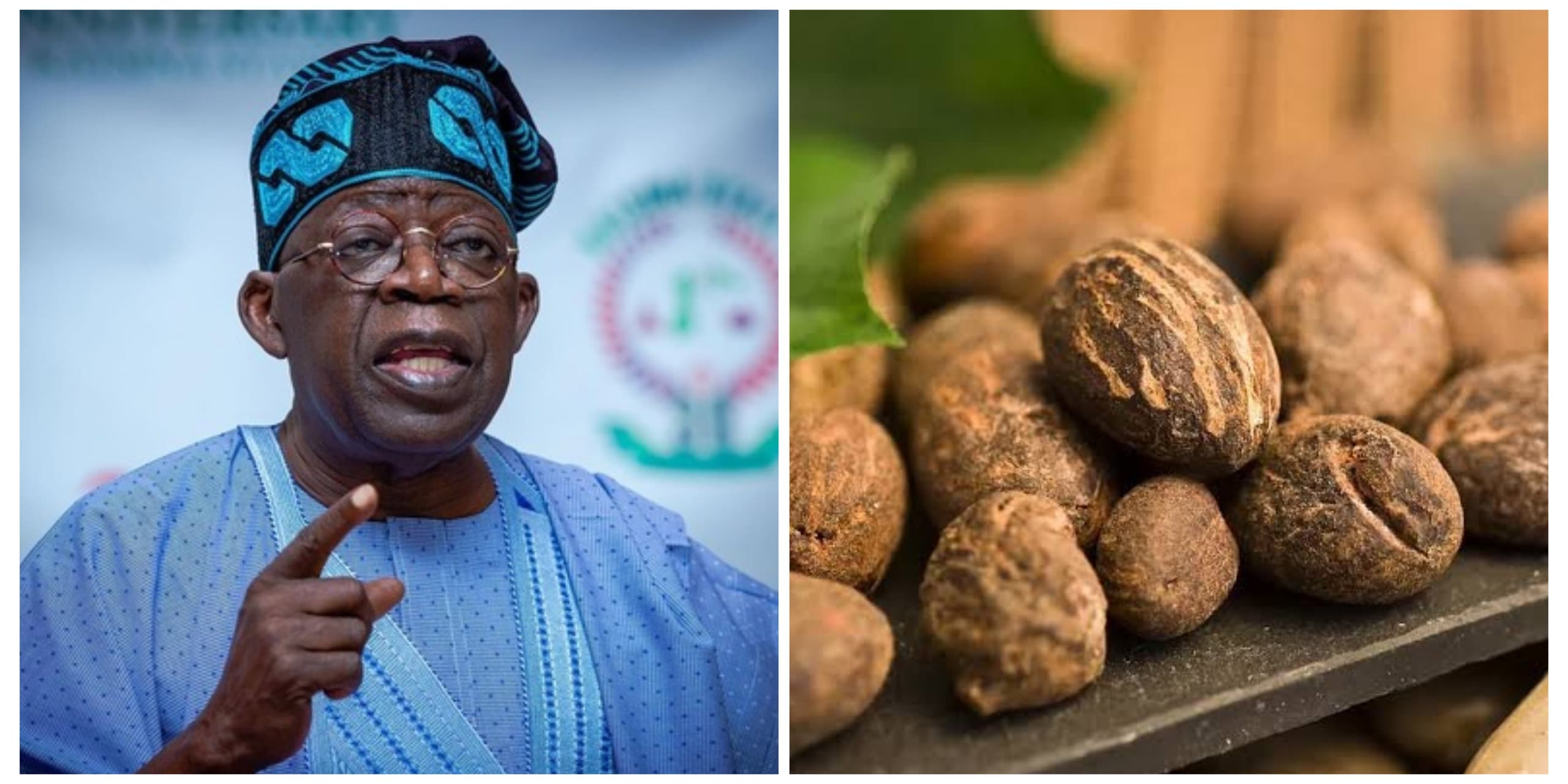
On the 26th August, President Bola Ahmed Tinubu placed a six-month ban on the export of raw shea nut to curb informal trade, boost local processing, protect and grow the Nigeria’s shea industry.
Although the ban was subject to be reviewed upon it expiration and was specifically aimed at boosting Nigeria’s shea value chain to generate around $300 million annually in the short term.
While talking on Wednesday, the governor said President Bola Ahmed Tinubu directives comes as the state prepares to launch its 50-tonne Shea processing factory in Kaiama, the second largest in the country and the biggest owned by a state government.
The Governor explained that the Shea butter factory is one of his many economic projects, he explained that the Shea butter factory in Kaiama is meant to stimulate economic activities in Kwara North, given its potential to hire several local workers, including women farmers and pickers.
In his words,
“Locating the factory within Kaiama puts the people at the centre of local Shea production, ensures local ownership of benefits, such as job creation, reduced post-harvest losses, and value retention in Kaiama.
“This project exemplifies backwards and forward integration as it combines raw material sourcing, processing, and market access in one locality,” the governor said.
Kwara and Niger, among others, are the hearts of Shea nut trees in Nigeria.
Kwara North alone is credited with over 250,000 native and producing trees spread across 6,000 hectares of land.
With this innovation, the Governor of Kwara State, AbdulRahman AbdulRazaq has supported the President decision fully.