

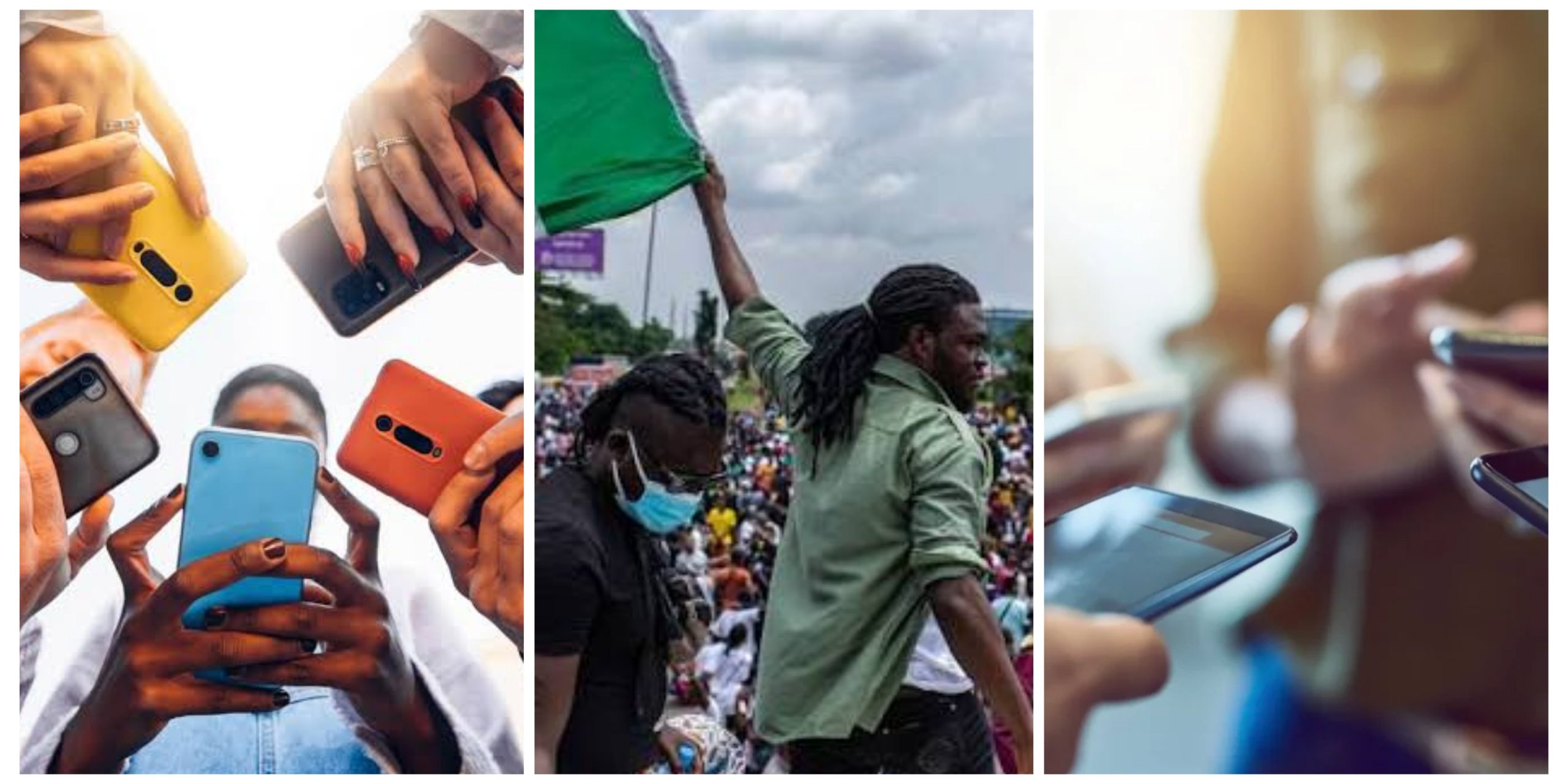
Social Media has become the modern place for public debate, discussion and civic engagement in Nigeria and beyond.
Different platforms like X (Twitter), Facebook, Tiktok, Instagram has indulge citizens to form opinions about an individual, institution, challenge authorities and also to share experiences and mobilize on contemporary social issues.
In a country where citizens has lost trust in institutions, this digital spaces have offered alternative platforms for participation, criticization and to express themselves, which were previously inaccessible to many.
When Digital Activism lead to Actual Change
Nigeria has witnessed so many crisis and moments, where social media activism translated into tangible outcomes.
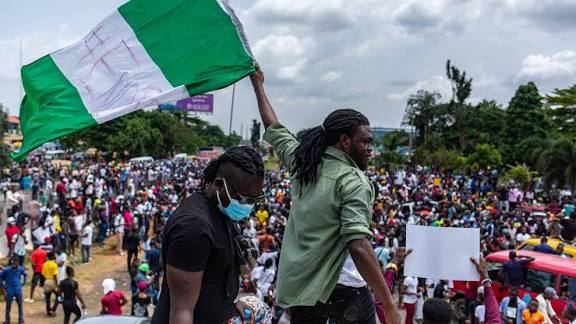
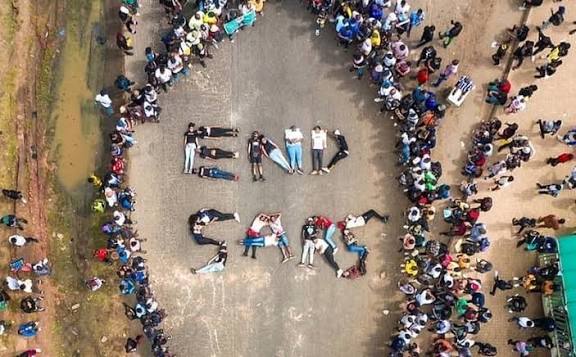
The likes of #EndSars movement in 2020, which began as an online agitation and virtual protest against some part of police brutality, later migrated into nationwide agitation and protest, forcing the Government to dissolve Special Anti-Robbery squad, that later attract global attention.
Likewise, #BringBackOurGirls kept the abduction of Chiboks schoolgirls into International limelight, mounting sustained pressure on the government to take action.
These examples proved that digital platforms can be used to grow voices and get authorities compelled, to respond to a particular agitation.
However, despite all these successes, social media activism can also struggle with sustainability, Hashtags can trend briefly, emotional peak,and people get to move on quickly.
Many social media users and activist mistake like, share retweet and comment for real action, creating what critics described as “Slacktivism“.
It is the culture where there’s a temporary outrage, which allows leaders to wait out public anger without addressing root problems, weakening the credibility and impact of digital movements.
Social Media as a tool for real Activism.
To avoid mere noise and move pass it, social media must be used strategically and meaningfully.
Firstly, it must priorities it primary purpose of informing and educating, offering contexts and verified facts, with clear demand rather than emotional reactions alone.
Also secondly, Campaigns made online must also connect to real action offline, such as voters registration, Community organizing, legal advocacy, and also sustainable policy engagement.
Digital activism should mobilize people for action, not replace it
From mere Hashtag to Lasting Impact
Influencers, journalists, and civil society groups have a crucial role to play in sustaining momentum through follow-up reporting, accountability tracking, and solution-driven conversations.
When social media is combined with organization, consistency, and real-world engagement, it becomes a powerful tool for change.
Without these elements, it risks remaining loud but ineffective.
Ultimately, social media activism in Nigeria can achieve real impact—if it is treated as a means to action, not the action itself.
Conclusion
Social Media is a platform that has made conversation and engagement so easy for people In a particular country and even beyond, regardless of their differences, it gives individuals voices to speak for or against any movements, institutions and initiatives
Such platforms should not be used for noise but real action, after the online activism and engagement, real life actions should follow suit