

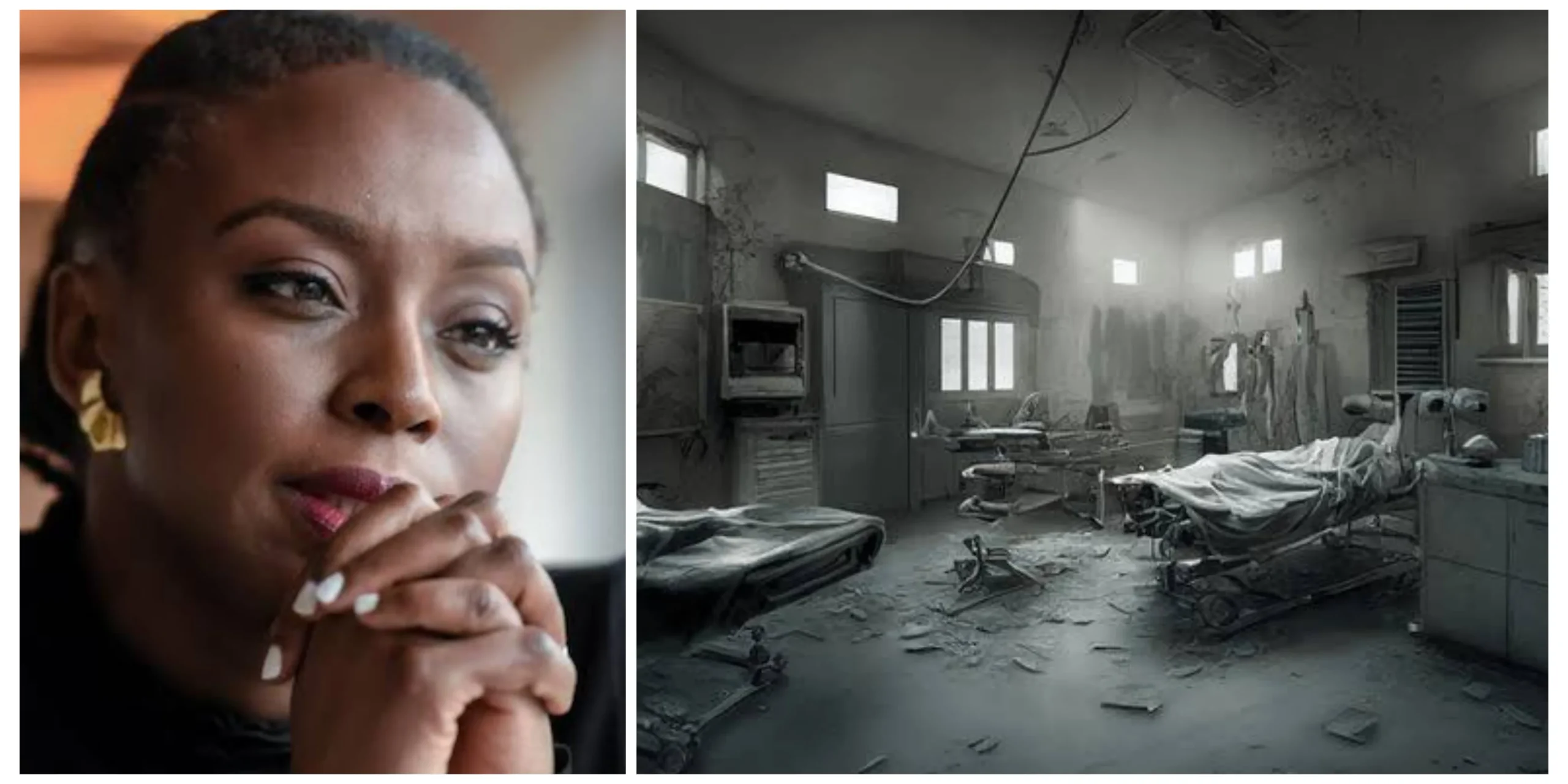
Even for the elite, money and access to private care did not shield Chimamanda Ngozi Adichie’s family from what they call medical negligence in a top Lagos hospital.
If the wealthy cannot trust health facilities with their most precious asset, their children, what hope does the common man have in a system riddled with gaps in training, oversight and basic care?
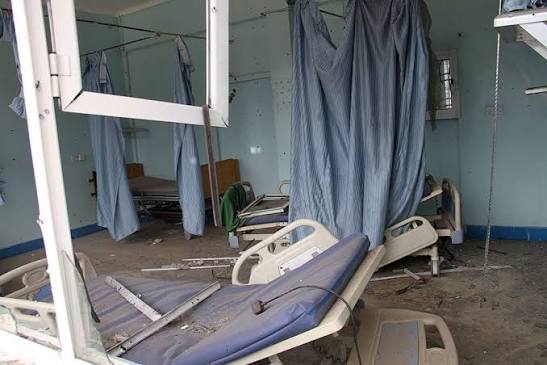
A National Conversation Ignited
The recent happening that involved Renowned Nigerian Writer, Chimamanda Ngozi Adichie struggle with Euracare Hospital over her 21- months old son, before his passing have sparked critical discussion in Nigeria.
If even the wealthy and connected face negligence in elite hospitals, what hope does average Nigerian citizens have?
Personal Loss turned Collective Frustration
The experience faced by Chimamanda has extended beyond her personal sorrow; it reflects a widespread discontent with a health system that falters when it matters most.
Her comment were not merely a celebrity clout, but it highlighted the serious flaws with the Nigeria’s healthcare structure.
Health-care System That Failed Everyone
The Nigerian health system doesn’t discriminate, it can let anyone down. Even while access to private hospital for the rich is within the reach, it still doesn’t ensure quality care, accountability and compassion.
If people in the wealthiest part of the country could encounter significant losses, it underscores a troubling reality about systemic failure.
The Reality for Ordinary Nigerians
For many Nigerians, this situation is all too familiar.
The public healthcare system is overwhelmed, and private hospitals often fall short in terms of regulation.
The common expectation is for delays, absent healthcare professionals, overwhelmed staff, and critical decisions being made too late. Chimamanda’s ordeal merely echoes what many already know.
Normalized Negligence in The System
What’s most alarming and concerning isn’t that mistakes occur universally, as regard medical care, but the negligence had become an accepted norm.
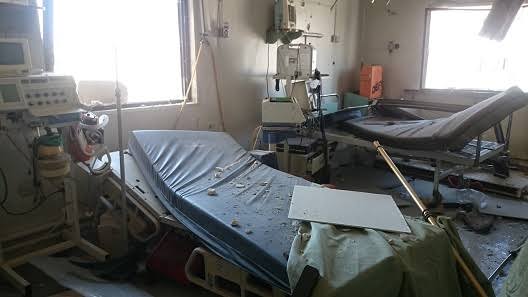
People don’t really talk about it when it happens, unless if it happens to people of calibre like this, the masses just grieve and move on, often stifled by bureaucratic obstacles and silence.
Investigating medical errors in Nigeria are very rare, hospitals seldom issue apologies, and regulatory bodies remain mostly ineffective.
In such cases, if loses its value, regardless of one’s social status The Illusion of Quality Care
Many believe that private hospitals offer a safe respite.
However, Chimamanda’s situation shatters that misconception. Some private institutions prioritize profit over patient care, hiding behind their impressive facades.
Senior medical professionals may be absent, leaving junior staff to make critical decisions unsupervised, turning healthcare into a transactional process rather than a human one.
What this means For Average Nigerian
If someone like like Chimamanda Ngozi Adichie, who is well known with a global platform, has great difficulty of securing good medical care, what does that mean for the market traders, factory employers or rural farmers?
For average Nigerian, an illness often leads to selling possessions, borrowing money, or mostly resulting to prayers as their last hope.
A Call To Action And Urgent Reform
This situation is more than just outrage, it is a call for immediate changes
Implement stringent regulations and oversight for both public and private healthcare facilities.
Conduct mandatory investigations into cases of medical negligence.- Safeguard whistleblowers in the health sector.
Improve training, compensation, and working conditions for healthcare workers.
Raise awareness of patient rights so that Nigerians understand their entitlement to better care.
A Collective Vulnerability
Chimamanda’s struggle serves as a reminder of a painful reality: in Nigeria, failures in healthcare impact everyone equally.
While wealth may stave off some suffering, it cannot completely shield anyone from systemic shortcomings.
Unless the healthcare system effectively serves even the most vulnerable, it will remain inadequate for everyone—regardless of fame or privilege. And that is the profound tragedy.