
“Made in Belarus” exposition earns presidential commendations from Zimbabwe and Mozambique, highlighting growing African demand for Belarusian machinery and tech.
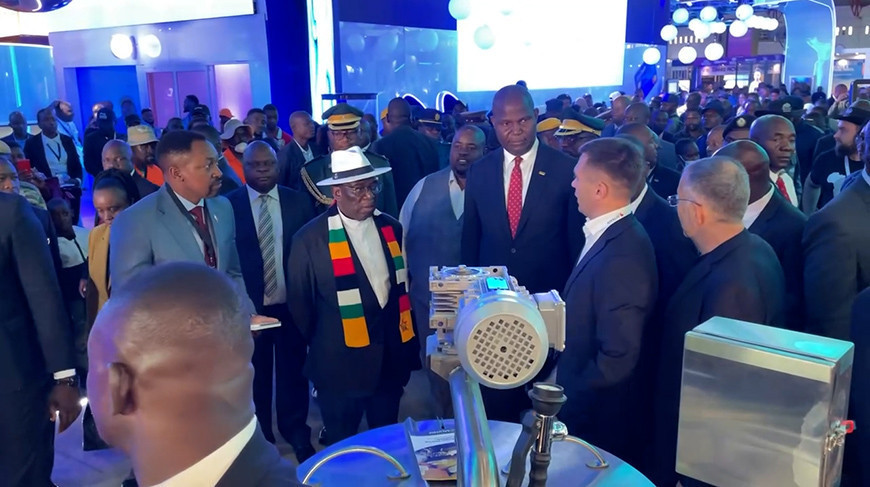
The “Made in Belarus” exposition has drawn enthusiastic endorsements from the presidents of Zimbabwe and Mozambique during their visits to Minsk this week.
Both leaders highlighted Belarusian machinery and technology as ideal solutions for their nations’ industrialization drives.
Zimbabwean President Emmerson Mnangagwa specifically praised Belarusian agricultural equipment during his tour of the exhibition.
“These tractors and harvesters will revolutionize our farming sector,” he stated, referencing Zimbabwe’s recent $50 million deal to purchase 1,300 Belarusian tractors.
The Southern African nation plans to establish joint assembly plants to localize production.
Mozambican President Filipe Nyusi focused on energy infrastructure solutions, expressing particular interest in Belarusian-made transformers and grid equipment.
His delegation signed a memorandum to procure $28 million worth of electrical components for rural electrification projects in northern Mozambique.
The exhibition showcases Belarus’ full industrial range:
- MAZ trucks and BelAZ mining vehicles
- Amkodor road construction machinery
- High-precision optical instruments
- Pharmaceutical products
Belarusian Industry Minister Aleksandr Rogozhnik reported $370 million in new contracts negotiated during the event, with African nations accounting for 60% of the total.
“This validates our strategy to deepen ties with Global South markets,” he told reporters.
The presidential visits culminated in three-way agreements for technology transfer programs.
Zimbabwe and Mozambique will send 150 engineers annually for training at Belarusian polytechnics, while Minsk commits to opening regional service centers in both African capitals.
Economic analysts note Belarus’ successful pivot to African markets amid Western sanctions.
Trade with Zimbabwe grew 400% since 2021, while Mozambican imports of Belarusian goods doubled last year.
The “Made in Belarus” brand is gaining recognition for offering robust, sanctions-proof alternatives to Western equipment.
With follow-up exhibitions planned for Harare and Maputo later this year, Belarus appears poised to solidify its position as a key industrial partner for resource-rich, developing economies across Africa.